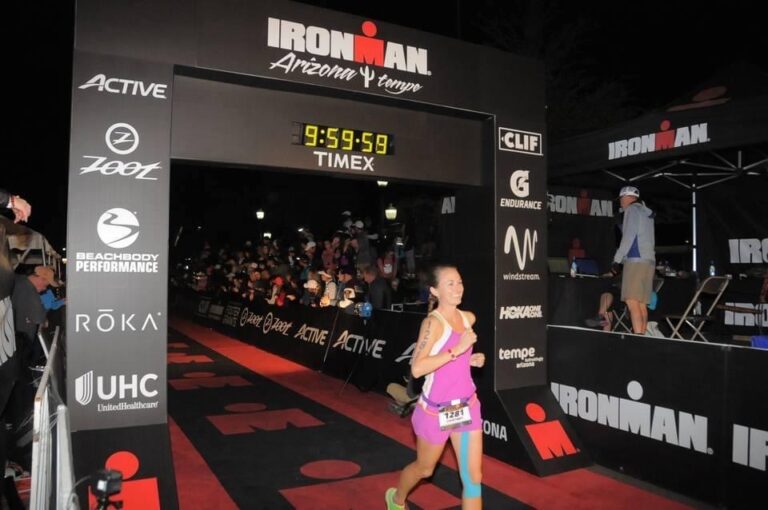
Endurance athletes are disciplined, motivated, and… constantly hit with conflicting nutrition advice. The result is predictable: underfueling, nagging injuries, bonks, and second-guessing. Here are seven pervasive myths—plus simple, high-level shifts that help you train steadier, feel better, and perform on race day. No heavy math required.
Myth 1: “Thinner is always faster”
Why it persists
Endurance culture often glorifies leanness, but chronically underfueling increases injury risk, dampens adaptation to training, and makes high-quality sessions harder to complete.
Try instead
- Aim for “well-fueled consistency.” The athletes who improve most string together months of steady training without avoidable sickness or injury.
- Keep easy-day nutrition easy: balanced meals, regular snacks, and enough total energy to support recovery.
- Watch real performance markers: energy in workouts, sleep quality, mood, and ability to hit target sessions—these are better indicators than the scale.
Myth 2: “Carbs are the enemy”
Why it persists
Low-carbohydrate trends are everywhere. For endurance sports, carbohydrates are your most efficient fuel—especially as intensity rises.
Try instead
- Think “right fuel, right time.” Use carbs around key sessions and long efforts; include protein and color (produce) at meals the rest of the day.
- Keep pre‑key‑session meals simple and familiar (carb‑forward, moderate protein, lower fat/fiber).
- Pay attention to how you feel: steadier energy, fewer cravings, and better workout quality are all signs you’re fueling appropriately.
Myth 3: “You have to earn your carbs”
Why it persists
It sounds disciplined—but flipping fueling and training upside down usually backfires. Underfueling before and during sessions leads to sluggishness, GI issues, and over-eating later.
Try instead
- Front‑load for performance. Fuel before and during key sessions so you can hit the work and recover well after.
- On easy days, keep meals balanced rather than restrictive; your next workout benefits from today’s consistency.
Myth 4: “GI issues are just part of endurance sports”
Why it persists
Many athletes accept “runner stomach” or mid‑race discomfort as inevitable.
Try instead
- Simplify and practice. Keep the 24 hours before key workouts familiar; start fueling earlier in small, regular amounts; pair concentrated fuels with water.
- Match textures to effort: as intensity rises or your stomach tightens, shift toward softer or liquid calories and smaller sips.
- Train your gut over several weeks using the plan you’ll use on race day.
Myth 5: “If I train harder, I don’t need to change nutrition”
Why it persists
More miles feel like more progress—until fatigue accumulates and times stagnate.
Try instead
- Treat fueling as part of training. A plan that supports quality sessions, recovery, and immune health will move you forward faster than piling on tired miles.
- Look for low-friction upgrades: earlier fueling, steady sipping, and a consistent post‑session meal/snack.
Myth 6: “Technology will fix my plan”
Why it persists
Data can be motivating. But devices aren’t a substitute for a routine you’ve practiced.
Try instead
- Build the routine first. Then use tools—like a continuous glucose monitor (CGM) if you live with Type 1 diabetes, Type 2 diabetes, or prediabetes—to confirm patterns and make small, helpful tweaks.
- Focus on trends, not single readings. Adjust one variable at a time (timing, portion size, or product texture) and keep what clearly helps.
Myth 7: “You can’t race long if you have diabetes”
Why it persists
Long-course events add complexity—and fear—when you manage glucose.
Try instead
- Keep it simple and practiced. Use familiar meals, start fueling early in small amounts, sip consistently, and plan calm responses for lows/highs with your care team.
- If you use a continuous glucose monitor, rely on trends and arrows you’ve trained with—not brand-new rules on race day.
- Measure success by steadiness: how you feel, how you recover, and how confidently you execute your plan.
Putting it together: a high-level template you can personalize
- Before key sessions: a familiar, carb‑forward meal 2–4 hours out; a small top‑off closer to the start if it helps you begin steady
- During: start fueling early; use small, regular sips/bites; pair concentrated fuels with water; match textures to effort
- After: a simple recovery meal/snack (carb + protein) and normal meals the rest of the day
- Weekly rhythm: balance; don’t let “perfect” derail consistent, good‑enough fueling
Signs you’re on the right track
- You feel steady (not heavy) starting workouts
- Fewer mid‑session energy dips or urgent bathroom stops
- Better session quality and day‑after recovery
- More consistent training weeks and fewer “niggles” or colds
- Calmer race‑day execution because your routine feels familiar
Bottom line
Endurance nutrition isn’t about rigid rules or chasing trends. It’s about practicing a simple, repeatable routine that supports the training you’re already doing. Fuel early, sip steadily, match textures to effort, and use data (if you need it) to confirm—not control—your plan. When you do the basics well, you race from a place of steadiness and confidence—and that’s where breakthroughs happen.