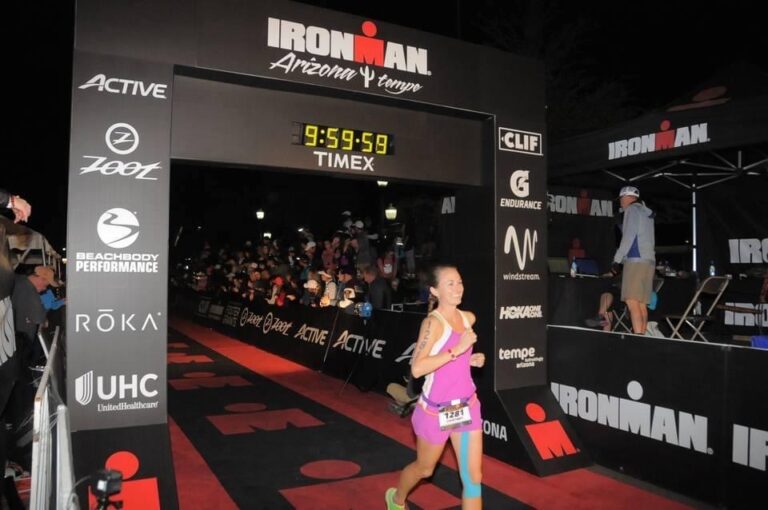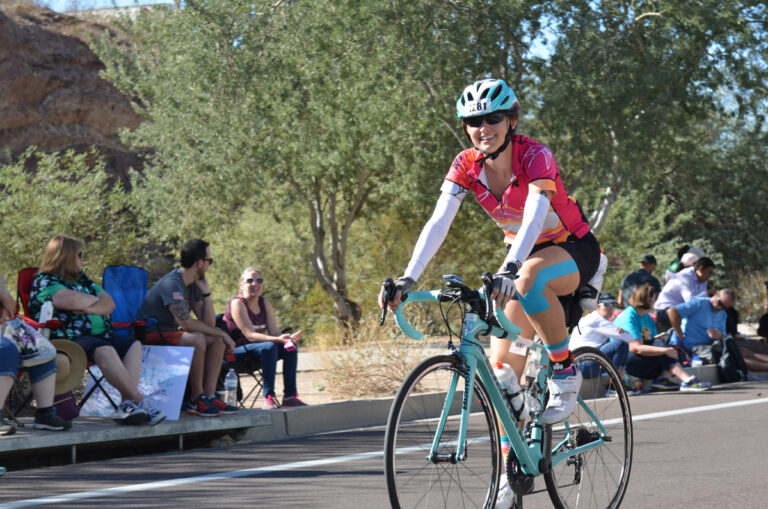
Many endurance athletes assume that logging miles protects them from blood sugar problems. But here’s the truth: You can train for marathons, triathlons, or century rides and still develop prediabetes or insulin resistance.
This doesn’t mean you’re unhealthy or doing anything wrong — it means your current fueling, recovery, and metabolic strategy need fine-tuning.
The good news? You can reverse insulin resistance and improve your glucose trends without sacrificing performance or cutting carbs. This guide will show you how.
If you want personalized guidance on fueling and glucose management for endurance training, book a 1:1 session with me here.
Why Endurance Athletes Can Still Develop Prediabetes
Even with high training volume, many athletes develop insulin resistance because of:
1. Underfueling for too long
Chronic low energy availability increases cortisol → worsens glucose control.
2. Too much fasted or low-carb training
This stresses your metabolism and can make post-meal glucose spikes worse.
3. Overreliance on processed snacks
“Healthy” granola bars can still cause big glucose rises.
4. Poor recovery fueling
Skipping carbs post-workout → lowers muscle glucose uptake.
5. High stress + inadequate sleep
Two major drivers of insulin resistance even in athletic individuals.
How to Reverse Insulin Resistance Without Losing Performance
1. Use Carb Timing Instead of Carb Restriction
You don’t need fewer carbs — you need better-timed carbs.
Best times to eat carbs with prediabetes:
- Before workouts (to prevent cortisol-driven glucose spikes)
- During long workouts (to stabilize glucose)
- Within 30 minutes post-workout (to replenish glycogen + improve insulin sensitivity)
- With balanced meals containing protein + fiber
Try to avoid:
- High-sugar bedtime snacks without protein or fat
- Sodas and sugar-sweetened beverages outside of training, carb loading, or hypoglycemia (low blood sugar)
2. Prioritize Post-Workout Fueling
This is the #1 mistake endurance athletes with prediabetes make.
Within 30 minutes of finishing a workout:
- 40–60g carbs
- 20–30g protein
Why it matters:
Muscles are the most insulin-sensitive immediately post-exercise.
Skipping this increases the chance of elevated blood sugars later in the day.
3. Build Performance Meals Using the “Training Plate Method”
On harder training days:
- 50% carbs
- 25% protein
- 25% color (vegetables/fruits)
- Healthy fats sprinkled in
On lighter/rest days:
- 40% color
- 30% protein
- 20–30% carbs
- Healthy fats
This adjusts glucose load without restricting carbs excessively.
4. Increase Protein Intake
Most endurance athletes under-eat protein, especially women.
Aim for:
- 1.2–1.8 g/kg/day (work with me to dial this in!)
- Protein at every meal
- Protein + carb combo post-workout
Protein stabilizes blood sugars and supports recovery.
5. Use a CGM (if possible) to Catch Hidden Patterns
A CGM helps you identify:
- Which meals spike glucose
- Whether you’re under-fueling before training
- Whether you’re experiencing delayed lows
- Overnight glucose stability
- Carb tolerance on rest vs. training days
If you need help interpreting the data, I offer CGM analysis inside my coaching programs.
6. Walk 10–15 Minutes After Meals
This one habit can lower post-meal glucose by 20–40%.
If you’re extremely busy, even 5 minutes helps.
7. Manage Stress & Sleep (Your Secret Weapons)
High cortisol = higher fasting glucose.
Aim for:
- 7–8 hours of sleep
- Stress-reducing workouts (Zone 2, yoga, mobility)
- Not training intensely on severely under-recovered days
Common Mistakes Athletes with Prediabetes Make
Mistake 1: Cutting carbs
This reduces performance and worsens insulin sensitivity over time.
Mistake 2: Training fasted
This increases cortisol → increases glucose.
Mistake 3: Not eating post-workout
Your workout is not over until you have recovered with nutrition!
Mistake 4: Relying on sugar-free foods that use sugar alcohols
Sugar-free does not equal carb-free. These can cause major GI distress during training and still raise blood sugars. Example: Barebells bars contain sugar alcohols and can cause stomach issues.
Mistake 5: Assuming training volume = metabolic health
Endurance sports are demanding — fueling matters just as much as training.
Sample Daily Template for Endurance Athletes with Prediabetes
Here’s a simple structure you can use:
Breakfast (balanced)
Protein + fiber + carbs
Example: eggs, berries, whole grain toast, Greek yogurt
Pre-workout fuel (30–90 minutes before)
- Banana + peanut butter
- Toast + honey
- Oatmeal + protein
During long workouts (Over an hour)
- 20–40g carbs per hour, many may need 45-90 grams per hour (Work with Courtney to dial this in)
Post-workout (within 30 minutes)
- Smoothie with fruit + whey
- Bagel + eggs
- Yogurt bowl with carbs + protein
Dinner
- Lean protein (chicken, turkey, lean ground beef, fish)
- Veggies
- Sweet potatoes, rice, or quinoa
When to Seek Professional Help
You should work with an endurance-trained Registered Dietitian if:
- You have prediabetes and train 5+ hours per week
- Your fasting glucose is trending upward
- You feel confused about carb timing
- You experience mid-run highs or post-workout crashes
- You’re afraid carbs will “make things worse”
I help athletes with all of these inside my coaching programs.
Work with Me
If you’re an endurance athlete with prediabetes and want personalized fueling support, you’re exactly who I specialize in.
Book your 1:1 Prediabetes Endurance Consultation.
Together we’ll build a plan that stabilizes your blood sugars and improves your performance.
FAQ: Endurance Athletes with Prediabetes
1. Should I cut carbs if I have prediabetes?
No — not as an endurance athlete. You need carbs for training! The goal is timing and type, not restriction.
2. Can running or cycling reverse prediabetes on its own?
Not always. Training helps, but fueling, sleep, and stress matter equally.
3. Is it safe to use gels or sports drinks?
Yes. Carbs during exercise are used directly by muscles and usually cause fewer glucose spikes than eating carbs at rest.
4. Are “low-sugar” protein bars better?
Often no. Many contain sugar alcohols (like Barebells bars), which cause GI distress and still raise blood sugars. Avoid these during training. Read my blog post on Sugar Alcohols here! (Link to sugar alcohol blog post)
5. Do I need a CGM?
It’s helpful but not required. A CGM helps you spot patterns and optimize fueling with more precision. You could do a trial with a sensor. Listen to my latest podcast interview on this: (LINK to Nuanced Nutrition Podcast)
6. Can prediabetes be reversed?
Yes, with the right carb timing, fueling strategy, and metabolic support, improvements often happen quickly!
Book your 1:1 Endurance Fueling Consultation with Courtney now.
Grab my Top 10 Snacks for Pre- and Post- Workouts to Avoid Lows.